For years, the dream of an international education has resonated deeply with Pakistani students. As the world becomes increasingly connected, the educational landscape of Europe with its centuries-old traditions of academic excellence and modern, innovation-driven economies stands out as the premier destination. Study in Europe from Pakistan is becoming a top choice for ambitious learners seeking high-quality education and global career success. This guide is your definitive roadmap, designed specifically to help you, the aspiring Pakistani student, navigate the process and secure your place for the 2026 intake. Preparing now is crucial; the journey to studying in Europe is a rewarding marathon, not a sprint.

Why Europe?
When you envision your future, are you looking for world-class education, cultural immersion, or post-study career prospects? Europe offers all three in abundance, often at a fraction of the cost compared to North American or Australian counterparts. The decision to Study in Europe is a decision to invest in a globally recognized future.
1. Academic Excellence at Best European Universities
Europe is home to some of the planet’s oldest and most prestigious institutions. From Germany’s technical universities to the art and design schools in Italy and France, the quality of education is unparalleled.
· Germany:
Renowned for engineering and scientific research, it is highly attractive because many public universities offer free or very low-cost tuition to international students, making it a top choice for Pakistani Students. Universities like the Technical University of Munich consistently rank among the Best European Universities.
· Sweden & Finland:
These countries offer a modern, highly innovative, and practical learning environment, with many English-taught programs. They are excellent options for a high quality of life.
· Italy:
Home to the world’s oldest university (University of Bologna), Italy offers strong programs in Architecture, Design, and Humanities, often with more affordable tuition fees than the UK.
2. Affordability and Financial Advantages
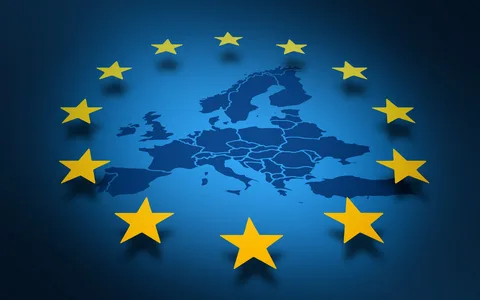
One of the most compelling reasons for Pakistani students to Study in Europe from Pakistan is the cost structure. While the UK and Ireland may have higher fees, countries like Germany, Norway, France, and Italy provide fantastic value. Furthermore, the Schengen area allows for relatively easy travel across 27 countries, enriching your educational experience without the burden of constant visa applications. Planning for the 2026 intake involves a thorough review of tuition waivers and scholarships which we will discuss shortly.
3. Post-Study Work and Visa Benefits
Unlike some other study destinations, many European nations, including Germany and the UK, offer generous post-study work visas (often 18–24 months) to help graduates launch their international careers. This is a significant advantage for Pakistani students who want to Study in Europe from Pakistan, as they can gain valuable global experience before returning home or settling abroad.

Phase 1: Starting Your 2026 Intake Application Now
The timeline for the 2026 Intake starts today. Successful Pakistani Students begin their research and preparations over a year in advance. This early start gives you the necessary time to refine your applications, secure documents, and apply for limited seats and highly competitive scholarships.
Key Steps to Take Immediately:
· Select Your Field and Country:
Match your academic background and career goals with the strengths of different European nations. Do you want to pursue Engineering in Germany, Business in the Netherlands, or Fine Arts in Italy?
· Research Best European Universities:
Use resources like the QS and Times Higher Education rankings, but also look at specific program accreditation and alumni success stories. Identify at least 5-7 target universities.
· Prepare for English Proficiency:
Most English-taught programs require an IELTS or TOEFL score. Aim for a score above 6.5 (for IELTS) to meet both university and visa requirements. Book your test well in advance of the early-year 2026 Intake deadlines.

Mastering the Documentation & Academic Requirements:
This is where many Pakistani students face the steepest learning curve. A meticulously prepared application package is your ticket to the best European universities. Getting these steps right for the 2026 intake is non-negotiable if you want to Study in Europe from Pakistan and secure admission successfully.
· Academic Transcripts:
Ensure all your educational documents—Matric/O-Levels, FSc/A-Levels, and Bachelor’s/Master’s degrees—are officially attested.
· Many Best European Universities require these to be attested by the relevant boards (IBCC, HEC) and sometimes by the foreign ministry.
· Official English translations of any Urdu documents are usually required.
· Proof of English Proficiency:
The standard requirement is a strong score on the IELTS Academic (typically 6.0 to 7.0 overall) or TOEFL iBT.
· While some programs to Study in Europe are offered without an IELTS requirement (if your previous education was in English), having a competitive score significantly broadens your options and strengthens your visa application.
· Statement of Purpose (SOP):
This is your personal narrative—it should be compelling, concise, and customized for each university and program.
· Explain why you chose that specific course, how your previous academic history as a Pakistani Student prepared you, and how this degree will help you achieve your future goals.
· Demonstrate a clear understanding of the university and why it is one of the Best European Universities for your field.
· Letters of Recommendation (LORs):
Obtain two to three strong letters from your professors or supervisors who know you well.
· These letters must be on official letterhead, signed, and usually submitted directly by the referrer through the university’s online portal.
· Curriculum Vitae (CV) / Resume:
Keep it concise and professional, highlighting relevant academic projects, internships, and extracurricular achievements.
· Use the standard European format (Europass CV) for applications in many EU countries.

Financial Planning and Scholarships for 2026:
Finances are a primary concern for all Pakistani Students, but Europe offers some fantastic financial avenues to make your dream of the 2026 Intake affordable.
Understanding Costs:
· Tuition Fees:
Public universities in Germany, Norway, and certain regions in France and Austria often charge little to no tuition. Fees are generally higher in the UK, Netherlands, and Switzerland.
· Living Costs:
These vary dramatically. Cities like London, Paris, and Amsterdam are expensive, while cities in Eastern or Southern Europe (e.g., in Poland, Hungary, or Italy) are generally more budget-friendly.
· Visa Financial Proof:
For your student visa, you must show proof of funds (bank statements) to cover your first year’s living expenses, usually calculated based on a fixed monthly amount (€861 in Germany, for example).

Scholarship Opportunities:
· DAAD Scholarship (Germany):
Fully funded scholarships for Master’s and PhD students, highly competitive but a gold standard for Pakistani Students.
· Chevening Scholarship (UK):
Fully funded Master’s program for future leaders.
· Stipendium Hungaricum (Hungary):
Fully funded programs offered through bilateral agreements.
· University-Specific Scholarships:
Many Best European Universities offer merit-based tuition waivers (e.g., Amsterdam Merit Scholarship, Utrecht Excellence Scholarship). Researching these thoroughly before the 2026 Intake deadlines is crucial.
· Erasmus Mundus Joint Master Degrees (EMJMDs):
These highly prestigious and fully funded scholarships allow you to study in at least two different European countries. This is an unparalleled opportunity to truly Study in Europe.

The Visa Process for Pakistani Students
Once you have your unconditional offer letter, the final, most sensitive step for Pakistani Students to secure their right to Study in Europe is the visa application.
· Acceptance and CAS/Enrollment Letter:
You must receive your Confirmation of Acceptance for Studies (CAS) from your UK university, or a similar official acceptance/enrollment letter from a university in the Schengen Area (e.g., Germany, France, Italy).
· Document Submission:
The key documents required across all Schengen nations include: valid passport, proof of financial means (bank statements/blocked account), comprehensive health insurance, and the acceptance letter.
· Ensure all documents meet the specific formatting and translation requirements of the respective embassy/consulate in Pakistan.
· The Visa Interview:
Be prepared to attend a mandatory visa interview at the embassy or consulate (or a visa application centre).
· The interviewing officer will test your genuine intention to Study in Europe (GTE) by asking about your course, your university, your return ties to Pakistan, and your finances.
· Be confident, honest, and demonstrate a clear, well-researched plan for your time during the 2026 Intake.
Timing is everything:
· For the fall 2026 Intake (September/October start), aim to submit your visa application no later than June 2026.
· Visa processing times can vary widely (from 3 weeks to 3 months), and delays can jeopardize your start date. Start early!

Takeaway
The journey to Study in Europe is a demanding one, requiring dedication, precision, and relentless planning. As ambitious Pakistani Students, you have the potential to thrive in the world-class academic environment offered by the Best European Universities. Remember that success for the 2026 Intake hinges on beginning your preparation—from IELTS to SOPs and scholarship hunting—right now. The doors to Europe’s educational future are open; it’s time for you to walk through.
For More Information: https://www.uniguidepk.com/winnipeg-university-scholarships/