Malaysia has firmly established itself as a vibrant, affordable, and quality destination for international education. With its multicultural environment, world-class universities, and relatively straightforward application process, it’s no wonder that students from all over the globe are looking to its shores. However, a common hurdle for many is the International English Language Testing System (IELTS) score. This leads to the crucial question for aspiring international students: Are the malaysia study visa requirements flexible enough to allow entry without an IELTS certificate?
The short answer is a resounding: Yes, it is often possible! While English proficiency is a standard requirement, the path to obtaining your student pass and studying in Malaysia is not solely dependent on a single English language test. This blog post will dive deep into the alternatives, exemptions, and the full picture of the malaysia study visa requirements for a smooth transition to your Malaysian campus.

Why the IELTS Exemption Exists
Before exploring the alternatives, it’s important to understand why some Malaysian universities offer flexibility. Malaysia’s education system is diverse, and many institutions, particularly private ones and international branch campuses, have adopted a more holistic approach to assessing English proficiency.
Crucially, the Education Malaysia Global Services (EMGS), the body responsible for managing international student applications for the student pass (which acts as the study visa), acknowledges various forms of English language proof. A high IELTS score is the most common and standardized form, but it is not the only acceptable method.
The Proven Pathways: How to Bypass IELTS for Your Malaysia Study Visa
For international students worried about the IELTS, here are the primary avenues that allow you to meet the English proficiency criteria and satisfy the malaysia study visa requirements:
1. Previous Education in English
This is perhaps the most straightforward exemption. If you completed your most recent academic qualification (e.g., high school diploma, Bachelor’s degree, or Master’s degree) in an institution where English was the sole medium of instruction, you can often receive an IELTS waiver.
- What you need:
An official letter from your previous university or school confirming that the entire curriculum and examination process were conducted exclusively in English.
- University Acceptance:
Many top Malaysian universities, including those with international affiliations, readily accept this form of documentation. It’s seen as proof that you have already successfully navigated an academic environment in English.
2. Alternative English Proficiency Tests
If you do not have an IELTS score, you don’t necessarily have to take only the IELTS. Malaysian institutions and the EMGS often accept a range of other internationally recognised tests. These include:
- TOEFL (Test of English as a Foreign Language):
Widely accepted by Malaysian universities.
- PTE Academic (Pearson Test of English Academic):
Growing in popularity due to its computer-based format and quick results.
- MUET (Malaysian University English Test):
A test specific to Malaysia, which is often accepted by both public and private institutions.
- Duolingo English Test (DET):
Some institutions are beginning to recognise this convenient online test.
Always check the specific required score with your chosen university’s admissions office, as requirements vary by program and institution.

3. Enrolment in an Intensive English Program (IEP)
This is a fantastic option for students who know they need to improve their English skills or simply wish to get a head start. Many universities offer pre-sessional or Intensive English Programs (IEP) designed for international students who do not meet the minimum English proficiency requirements for direct entry into their degree course.
- The Process:
The university will issue a conditional offer letter for your main degree program. You first enrol in the IEP. Once you successfully complete the English course and pass the internal assessment (often the equivalent of the required IELTS band), the condition is met, and you can seamlessly transition to your main studies without ever needing an external IELTS score.
- Visa Implication:
The university handles your student pass application, including the IEP phase, making this a fully compliant pathway with the malaysia study visa requirements.
4. Internal English Placement Tests
Some universities, such as Universiti Putra Malaysia (UPM) or Universiti Kebangsaan Malaysia (UKM) mentioned in our research, offer their own internal English Placement Tests. If you are admitted with a conditional offer due to a lack of an IELTS score, you may be allowed to take this internal test either before or shortly after your arrival in Malaysia. A successful score on this test will then waive the IELTS requirement for your degree.

The Core Malaysia Study Visa Requirements (Beyond English)
While securing an IELTS waiver is a key step, it’s vital to remember that the student pass is based on a comprehensive set of documents and criteria. The malaysia study visa requirements that all international students must meet, regardless of their English proficiency method, include:
- Offer Letter (Letter of Acceptance):
An official, unconditional offer from a recognised Malaysian educational institution for a full-time course.
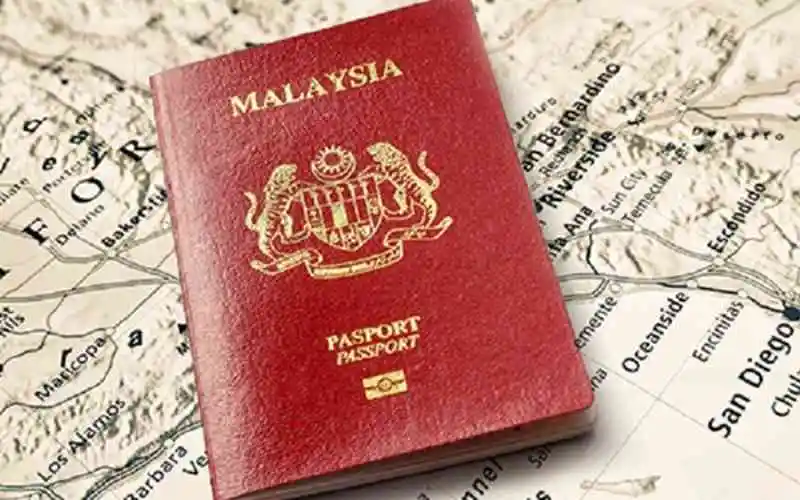
- Valid Passport:
Must be valid for a minimum of 18 to 24 months (depending on the length of study) from the expected date of entry into Malaysia.
- Academic Transcripts and Certificates:
Certified copies of all previous academic records.
- Passport-Sized Photographs:
Meeting the strict EMGS guidelines (usually with a white background).
- Health Declaration Form & Medical Screening:
A mandatory medical examination must be conducted upon arrival in Malaysia by an EMGS panel clinic. Pre-arrival health declarations are also required.
- Proof of Financial Support:
While often less stringent than in some Western countries, you must be able to prove you have sufficient funds for tuition and living expenses.
- Personal Bond:
The university will sign a Personal Bond with the Immigration Department on your behalf, for which you will lodge a specified, refundable amount.

The Visa Application Process: A University-Led Effort
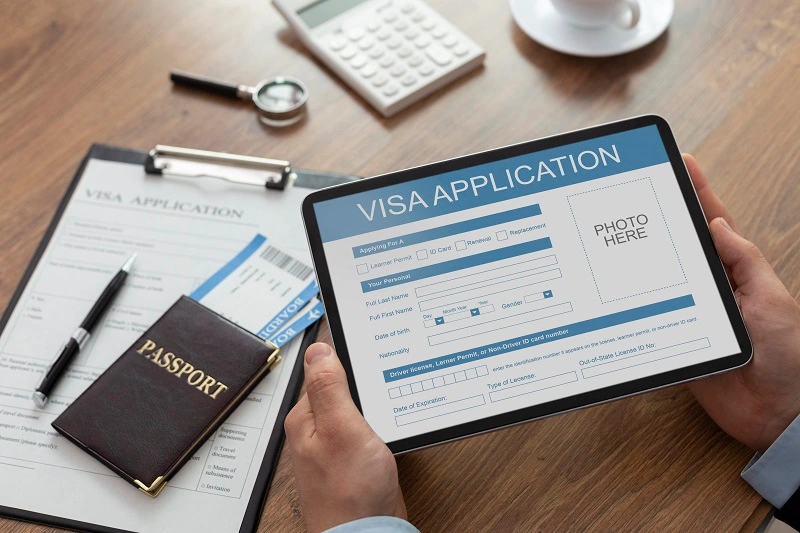
The process for the Student Pass (Study Visa) is largely managed by your chosen educational institution through the Education Malaysia Global Services (EMGS) system.
- Acceptance:
You accept the university’s offer.
- University Submission:
The university submits your application and all required documents (including your proof of English proficiency/exemption) to EMGS.
- VAL Issuance:
Upon approval, EMGS issues a Visa Approval Letter (VAL). This is the crucial document that allows you to apply for an entry visa (if required by your nationality) and travel to Malaysia.
- Student Pass Endorsement:
After you arrive in Malaysia, the university will submit your passport to the Immigration Department to have the official Student Pass sticker (and the i-Kad) endorsed in your passport.
Final Thoughts for Aspiring Students
The dream of studying in Malaysia is highly achievable, even if the thought of the IELTS exam fills you with dread. The most important action you can take is to communicate directly with the admissions office of your preferred Malaysian university. They are the experts on their own exemptions and English language pathways.
By proving your English proficiency through previous education, an accepted alternative test, or by enrolling in a pre-sessional English program, you can comfortably meet the malaysia study visa requirements and begin your exciting academic journey in one of Southeast Asia’s most dynamic study destinations. Don’t let a single test be the barrier to your international education—Malaysia offers a bridge around it.
For More information: https://www.uniguidepk.com/italy-universities-without-ielts/