Planning a study abroad exchange can feel overwhelming, but you can break it down into clear steps: choose the right program, meet admission requirements, and secure funding. Expect costs to vary widely by country and institution, but you can significantly reduce your out-of-pocket expenses with scholarships, exchange agreements, and guidance from experienced consultants like UNI-GUIDE in Pakistan.
You will learn how exchange programs differ from full-degree study abroad, what documents and timelines universities expect, and which scholarships and budgeting strategies deliver the most impact. Use this guide to understand application milestones, the role consultants can play in speeding approvals and finding funding, and practical tips to make the most of your semester or year overseas.
Understanding Exchange Student Programs
Exchange programs let you study abroad while often paying home‑institution tuition, living with host families or in dorms, and earning credits that transfer back. They vary by sponsor, cost structure, and academic integration, so you should choose based on credit transfer needs, language goals, and budget.
Types of International Exchange Opportunities
You can join university-to-university exchanges arranged through bilateral agreements, where your home institution and the host university swap students. These usually let you pay your regular tuition at home and access host courses for credit transfer.
Short-term faculty-led programs and summer schools offer intensive coursework or fieldwork for 2–8 weeks; they suit targeted learning or when you cannot leave a semester. Government and NGO-sponsored Study Abroad exchange programs (e.g., Fulbright, Erasmus+, AIESEC) provide structured placements with defined eligibility, often including stipends or support services.
Work-and-study internships or cooperative exchanges blend academic study with practical placements abroad. These require coordination for visas and sometimes different insurance or housing arrangements compared with purely academic exchanges.
Popular Destination Countries
The United States, United Kingdom, Canada, Australia, and Germany remain top choices for English-language instruction, robust credit recognition, and strong support services. You should check program recognition and credit compatibility with your home institution before selecting these destinations.
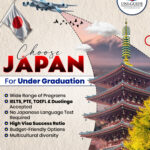
Non-English options like France, Spain, and Japan appeal if you seek language immersion or region-specific fields such as engineering in Germany or art in Italy. Cost and visa rules vary: for example, Germany offers low or no tuition at public universities, while the U.K. and U.S. typically have higher living costs and stricter work permissions.
Consider local living expenses, campus support (international office, housing), and post-exchange recognition of credits when prioritizing destinations. These practical factors often matter more than rankings for successful credit transfer and daily life.
Duration and Formats of Exchange
Semester and academic-year exchanges last 4–5 months and 9–12 months respectively; they work best when you need full course loads for degree progress. Short programs (2–12 weeks) suit focused learning, internships, or language boosts without delaying graduation.
Formats include full-credit exchanges where all courses transfer, direct-enrollment where you register as a regular student at the host, and program-managed placements with pre-selected course lists. Each format affects visa type, eligibility to work, and housing options.
Plan for timelines: application windows often open 6–12 months before departure, and visa processing can add weeks. Confirm course approval and transcript procedures early to avoid credit transfer issues after you return.
Application Process and Admission Requirements
You need to meet academic, language, and administrative criteria, submit specific documents, and verify whether your home institution has formal partnerships or exchange agreements with the host university. Clear timelines, accurate paperwork, and proof of funding or scholarship status speed up acceptance.
Eligibility Criteria
You must hold enrollment at a sending university to apply for an exchange; most programs require you to be in good academic standing (GPA minimum commonly 2.5–3.0 on a 4.0 scale). Programs often set year-level limits typically sophomore or above for semester exchanges, and sometimes junior/senior for research stays.
Language proficiency is mandatory when the host language differs from your native language. Common tests include IELTS, TOEFL, or university-specific exams, with score thresholds usually listed on the program page (e.g., IELTS 6.0–6.5 or TOEFL iBT 79–90). Some technical or graduate exchanges add prerequisite coursework or departmental approval.
You may need a faculty nomination or endorsement from your home department. Visa eligibility and health insurance requirements can disqualify applicants who cannot provide timely documentation.
Key Application Documents
Prepare these core documents well before deadlines:
- Completed application form (exchange or visiting student portal).
- Official academic transcript from your home institution.
- Proof of enrollment and a letter of good standing or nomination from your home university.
Include language test scores, a current CV or resume, and a concise academic statement of purpose (1–2 pages) explaining study plan and course preferences. Provide two academic references in letter format or via online recommendation systems if required.
Financial documents often include a bank statement, scholarship award letter, or sponsor affidavit to meet visa and university minimums. Some universities require a learning agreement or course approval form signed by your home department before arrival.
University Partnerships and Networks
Check whether your home university has bilateral agreements, consortium memberships, or Erasmus+ participation that support Study Abroad exchange opportunities, covering tuition waivers, credit transfer rules, and student support. These agreements typically list eligible programs, duration limits, and quota allocations for each Study Abroad exchange program.
If no formal partnership exists, look for Study Abroad exchange pathways via institutional memoranda of understanding (MOUs), departmental exchange links, or third-party providers like recognized consultants and organizations. Verify credit recognition by obtaining a written pre-approval or learning agreement that maps host courses to your home degree requirements.
Use official partnership portals, international office contacts, and program coordinators to confirm deadlines, nomination windows, and any priority selection criteria for your Study Abroad exchange application. Maintain copies of MOU clauses or official emails that specify tuition arrangements and student responsibilities.
Financial Planning: Costs and Scholarships
You will need to plan for tuition, housing, travel, visas, daily living, and possible income changes. Scholarships, part-time work rules, and careful budgeting will determine whether the exchange stays within your financial limits.
Tuition and Accommodation Expenses
Tuition for exchange programs varies by country and host institution. Some exchanges let you pay tuition to your home university only; others require host-university fees. Confirm whether your program charges full tuition, partner rates, or administrative fees and get written fee schedules.
Accommodation can range from university dorms ($200–$800/month) to shared private apartments ($400–$1,200/month) depending on city and standards. Factor in utilities, internet, and security deposits (often one month’s rent). Estimate upfront costs: first month’s rent, deposit, and any agency fees. If you need guaranteed housing, apply early to lock lower rates.
Available Scholarship Opportunities
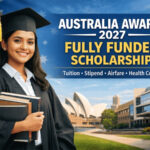
Look for scholarships at three levels: home university, host university, and external organizations for your Study Abroad exchange journey. Home-university Study Abroad exchange grants often cover partial tuition or travel; check your international office for program-specific awards. Host universities sometimes offer merit or need-based awards for incoming Study Abroad exchange students.
External options include government-funded scholarships (e.g., bilateral exchange funds), foundation grants, and country-specific programs. Prepare a 500–800 word statement of purpose, academic transcripts, and recommendation letters for applications. Note deadlines often fall 3–6 months before departure, so gather documents early. Maintain a GPA threshold where required.
Budgeting Tips for Exchange Students
Create a monthly budget that lists rent, groceries, transportation, health insurance, phone/data, social activities, and emergency funds. Use a spreadsheet or budgeting app to track actual spending for the first three months and adjust categories accordingly.
Prioritize refundable and recurring costs first: rent, insurance, and mandatory fees. Set aside an emergency fund equal to 1–2 months’ living expenses. Seek student discounts for transit, museums, and software. Compare grocery prices between local markets and supermarkets and plan meal prep to reduce food costs by 20–40%.
Work and Funding Options
First, check your visa for work permissions before planning to earn abroad; some exchange visas prohibit paid work, while others allow limited hours (commonly 10–20/week). If allowed, then target on-campus jobs, research assistantships, or language tutoring, which often accommodate student schedules.
Additionally, consider remote freelance work or contract roles that don’t violate visa conditions; meanwhile, keep a clear record of income and consult your program advisor. Furthermore, short-term funding alternatives include emergency student loans, crowdfunding for specific needs, and small grants from departmental funds. Finally, always verify tax and reporting obligations in both countries.
Role of Study Abroad Consultants in Pakistan
UNI-GUIDE Consultants help you navigate country and university selection, application deadlines, visa procedures, and scholarship options. They reduce paperwork time, highlight realistic admission chances, and connect you to test prep, internships, or local partners.
Guidance Provided by UNI-GUIDE Consultants
UNI-GUIDE assesses your academic record, budget, and career goals to recommend countries and programs that match your profile. They give specific university lists with estimated tuition and living-cost ranges for each option.
Prepare you for application requirements: SOP/CV drafting, document verification, and timeline management. Also advise on standardized tests (IELTS, TOEFL, GRE, GMAT) and recommend prep resources or classes when needed.
For visas, UNI-GUIDE explains documentary checklists, interview expectations, and common refusal reasons based on Pakistani applicants’ patterns. They often coordinate medical, police clearance, and attestation services to streamline submissions.
Benefits of Professional Advisory Services
Using a consultant saves time by consolidating tasks research, shortlist, application submission, and follow-up under one provider. You avoid missed deadlines and repetitive errors that commonly delay admissions.
Consultants can identify scholarship matches and provide application strategies that improve competitiveness. They offer local knowledge of partner universities and sometimes negotiate fee waivers or expedited review where relationships exist.
Professional advisers also reduce visa-risk by reviewing financial evidence and coaching you for interviews. This practical support raises your confidence and often shortens the decision-to-depart timeline.
How to Choose a Trusted Consultant
Verify accreditation and track record: ask for student testimonials, visa approval rates, and recent placements by destination and program. Request examples of successful scholarship award letters or admission offers.
Confirm transparency on fees and services with a written agreement showing deliverables and timelines. Check whether they provide post-arrival support, such as airport pickup, orientation, or local internship placement assistance.
Meet consultants in person or via video to assess communication clarity and responsiveness. Ask about formal partnerships with universities and whether they conduct independent document verification or outsource critical tasks.
Maximizing Your Study Abroad Experience
Focus on concrete actions that improve daily life, academics, and long-term career value: learn local norms and language basics, expand your professional network deliberately, and align courses and internships with career goals.
Cultural Adaptation and Integration
Start by learning practical language phrases and social norms before departure. Memorize greetings, common transport terms, and dining etiquette so you can navigate markets, buses, and meals with confidence.
Live with local roommates or in homestays when possible. That forces routine conversations and exposes you to daily customs like meal times, recycling rules, or quiet hours that dorms won’t teach.
Join one community group tied to a specific activity sports club, volunteer program, or neighborhood association. Regular participation builds deeper ties faster than one-off events.
Keep a short weekly reflection log of misunderstandings and how you resolved them. That sharpens your cultural awareness and gives concrete examples to discuss in interviews or application essays.
Building Global Networks
Identify three target groups to connect with: classmates in your major, local professionals in industries you care about, and alumni from your home university who live there. Prioritize outreach to them in that order.
Use the university’s career center and LinkedIn to find alumni; request 15–20 minute informational chats focused on industry-specific questions. Prepare two concrete asks: feedback on your CV and one local company introduction.
Attend at least one sector meet-up or guest lecture every week. Bring business cards or a short digital portfolio link. Follow up within 48 hours with a personalized message mentioning a specific point from the conversation.
Keep a single spreadsheet with names, contact info, date met, and a one-sentence note on next steps. Review it weekly and set reminders for follow-ups so contacts don’t go cold.
Academic and Career Advancement
Map courses to skills employers list for your target roles. Choose electives that give concrete skills data analysis, UX research, technical writing not just theory.
Seek internships, research assistantships, or capstone projects that let you produce work samples. Aim to leave with at least two portfolio pieces or measurable outcomes you can show recruiters.
Use office hours to build relationships with professors who can write detailed recommendation letters. Give them a one-page summary of your achievements and the specific points you’d like emphasized.
Translate grades and achievements into employer language on your CV: quantify results (e.g., “improved process efficiency by 15%” or “managed a team of 4 for a cross-cultural project”). That turns academic experience into tangible career evidence.
For More Details: https://www.uniguidepk.com/study-in-japan-2026/