Studying abroad is an exciting and life -changing experience, and Japan is one of the most popular sites for international students. With its unique blend of ancient traditions and condition – -of -The art technology, Japan offers an attractive cultural experience. However, with enthusiasm, it is a culture shock studying in Japan. Adjusting life in Japan can be both exciting and challenging, especially if it lives in a country with such a different culture for the first time. In this blog post we will find out what is the shock of culture, why this is happening and what to expect when studying in Japan. We will also give you practical suggestions to help you navigate the challenges and do most of our time in this incredible country.
What is Culture Shock?
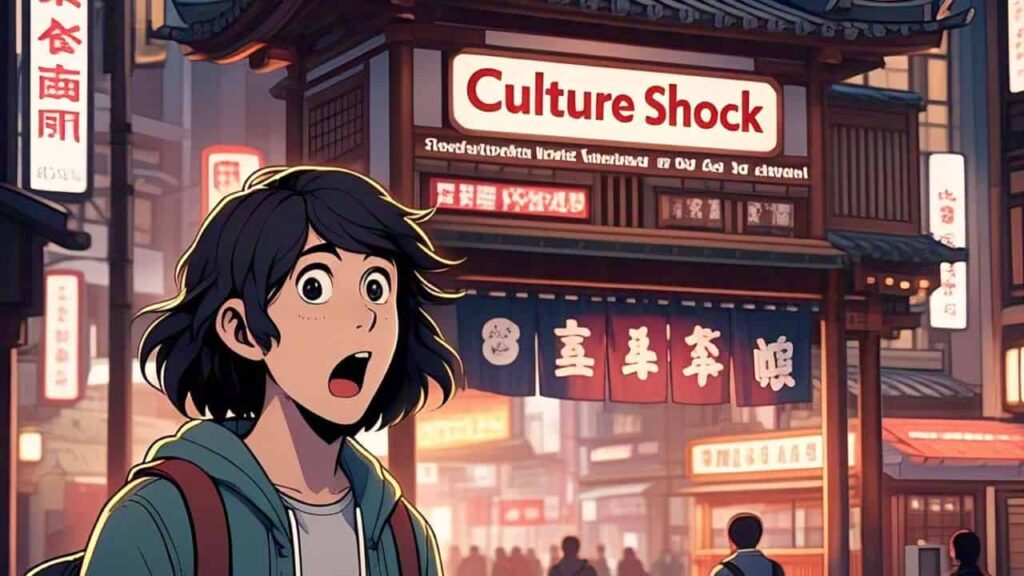
The shock of culture is a sense of disorientation and discomfort that occurs when in contact with a culture that is quite different from you. This is a natural reaction to unknown rituals, social norms and life methods. Culture’s shock can be shown in different ways, including frustration, home, confusion or even feelings of enthusiasm and curiosity. This usually occurs in four stages:
- The Honeymoon Phase: Everything feels new and exciting. You’re fascinated by the differences and eager to explore.
- The Frustration Phase: The novelty wears off, and the challenges of adapting to a new culture become more apparent.
- The Adjustment Phase: You start to adapt and feel more comfortable in your new environment.
- The Acceptance Phase: You fully embrace the culture and feel at home in your new surroundings.
Understanding these stages can help you prepare for the emotional rollercoaster that often accompanies studying abroad.
Why Japan? The Allure of Studying in Japan

Japan is a country that initially mixes tradition and modernity. From their cool temples and tea sizes to their stirred cities and future technology, Japan offers a unique cultural experience that is difficult to find elsewhere. For students, Japan is particularly appealing because of their world -class education system, safe environment and rich cultural heritage. However, things that make Japan so attractive can also contribute to the shock of culture. Let’s dive into some important aspects of Japanese culture that can surprise or challenge you as an international student.
What to Expect When Studying in Japan

1. Language Barriers
While many Japanese people, especially in urban areas, speak English, language barriers can still be an important challenge. Japanese is a complex language with three writing systems (Hirgana, Cuttack and Kanji), and basic communication can also be difficult if you are not effective. You can struggle yourself to read the signal, order food or ask for instructions. This can be disappointing, but there is an opportunity to immerse yourself in the language and improve your skills.
Tip: Take Japanese language classes before and during your stay. Even learning basic sentences can lead to a major change in everyday life.
2. Social Etiquette and Manners
Japanese society emphasizes politics and respect. There are many unwritten rules and customs that may be unknown to you. For example:
• Bending is a common form of greetings.
• It is mandatory to remove your shoes before entering your home or some businesses.
• It is considered rude to eat or drink while running publicly.
• Tiping is not common and can also be regarded as derogatory.
These rituals may seem heavy to begin with, but they are an integral part of Japanese culture. Observing them and respecting them will help you have a positive relationship with the locals.
Tip: Note how people around you behave, and if you are unsure of anything, you are not afraid to ask questions.
3. The Education System
The Japanese education system is known for its hardness and discipline. The classes are often lecture, and students are expected to be a timely ban, vigilant and respectable. Group work and participation can be less emphasized than Western countries. In addition, the academic calendar in Japan begins in April, which may be different from what you used.
Tip: Be prepared to be compatible with another learning style. Take notes, be organized and do not hesitate to seek help from professors or classmates if you need it.
4. Food Culture
Japanese food is world famous, but it can also be a source of culture shock. While sushi, ramon and tempura are delicious, you can withstand foods that are unknown or even ineffective for you, such as nighto (fermented soybean) or raw horse meat. In addition, parts in Japan are generally smaller than western countries and can be vegetarian or vegetarian alternatives limited.
Tip: Keep an open mind and try new foods. If you have dietary restrictions, you can learn that they must communicate at Japanese or research restaurants that meet your needs.
5. Work-Life Balance
Japanese society is known for its strong task moral, and it also extends to the students. It is not uncommon for students to spend longer time studying or participating in club activities. Balancing academics, social life and self -care can be challenging, especially if you use for more comfortable speed.
Tip: Give preference to your mental and physical health. Get time for hobbies, exercise and relaxation to avoid burnout.
6. Sense of Community and Conformity
Japan is a collective society, which means that group harmony and analogy are very valuable. To stand out and attract attention to oneself, and a strong emphasis can be placed on fittings. This may be the opposite of more individualistic cultures where self -realization is encouraged.
Tip: Pay attention to social norms and try to mix as much as possible. Don’t be afraid to express your personality in the relevant settings.
7. Technology and Innovation
Japan is a global leader in technology and innovation, and you may want to meet advanced things and systems that you have never seen before. From high -speed trains to high tector -toilets, Japan’s infrastructure is incredibly efficient and practical. However, navigation of these systems can be heavy at first.
Tip: Take time to know how things work. Do not hesitate to seek help online or look at training programs.
8. Housing and Living Spaces
The places living in Japan are often small, which can be used for you, especially in cities like Tokyo. The apartments are compact and shared homes are common among the students. In addition, Japanese home and dormitory can have different functions, such as common baths or futons instead of beds.
Tip: Embrace the minimum style and take maximum benefit from the site. Invest in storage solutions and keep your living area streamlined.
9. Seasonal Changes
Japan experiences four different seasons, each with its unique features. Summer can be warm and moist, while winters can be cold and snowy depending on this region. Changing weather also brings cultural events and traditions, such as seeing cherry flower in the spring and festivals in the summer.
Tip: Wrap appropriate clothing for each season and participate in seasonal activities to fully experience Japanese culture.
10. Isolation and Loneliness
Despite Japan’s reputation for being a safe and inviting country, international students may feel isolated or sometimes lonely. Language barriers, cultural differences and pressure to fit can make it difficult to make meaningful connections.
Tip: Students join clubs, participate in social programs and join other international students. Building a support network can help you feel more at home.
How to Overcome Culture Shock in Japan

- Stay Open-Minded: Approach new experiences with curiosity and a willingness to learn.
- Learn the Language: Even basic Japanese can go a long way in helping you navigate daily life.
- Seek Support: Reach out to your university’s international student office or join online communities for advice and support.
- Embrace the Culture: Participate in local traditions and activities to gain a deeper understanding of Japanese culture.
- Stay Connected: Keep in touch with friends and family back home to combat feelings of homesickness.
- Be Patient: Adjusting to a new culture takes time. Don’t be too hard on yourself if you make mistakes or feel overwhelmed.
The Rewards of Studying in Japan

Although culture’s shock can be challenging, there is also an opportunity for personal development. Studies in Japan will make your horizon wider, your cultural awareness will increase, and you will find a unique perspective on the world. You will develop skills to solve flexibility, adaptability and problem that will serve well in your future efforts. In addition, you have unforgettable memories and experiences that will live with you throughout your life.
Final thoughts
Study in Japan is an incredible adventure, but it is not without the challenges. When you understand what is expected and expected to prepare for the culture of culture, you can do most of your time in this attractive country. Remember that it is okay to feel overwhelmed at times – culture shock is a common part of the experience. With an open mind, a positive attitude and desire to learn, you will soon find yourself prosperous in your new environment. Then wrap the bags, brush on your Japanese, and get ready for a lifetime journey!